Connect With Us




Creating a skincare product is an exciting journey, but it can also be complex and challenging. From market research to formulation, packaging design, manufacturing, and marketing, each step of the skincare product development process plays a crucial role in ensuring the success of your product in the market. Whether you're launching a new skincare brand or expanding an existing one, understanding the entire development cycle is key to making informed decisions.
In this article, we will guide you through the skincare product development process, from the initial concept to the final launch, providing insights into what needs to be done at each stage to create a successful skincare product.
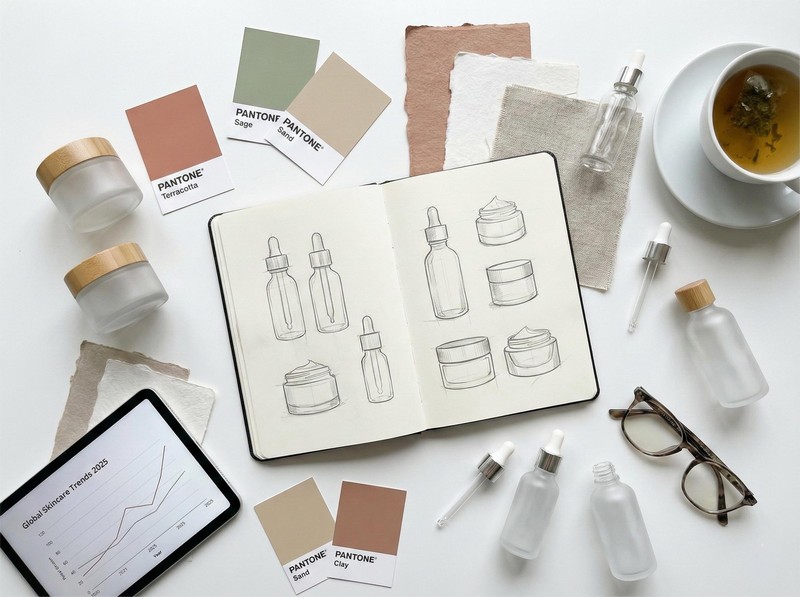
Before diving into product creation, it’s essential to conduct thorough market research to understand consumer needs, market trends, and the competitive landscape. This phase helps you identify your target audience, their preferences, and gaps in the market that your product can fill.
Consumer Insights: Understanding your target audience’s skin concerns and desires is critical. Are they seeking anti-aging, brightening, acne treatment, or hydration solutions?
Market Trends: Stay updated on the latest trends in skincare. For example, the increasing demand for clean beauty, sustainable packaging, and plant-based ingredients.
Competitive Analysis: Research the competition. Identify what similar products are available and how your product can stand out.
Once you’ve identified market gaps and customer needs, the next step is formulation development. This is where your product comes to life. Your formulation should reflect the needs of your target audience while also differentiating your brand from others. During this stage, you will work closely with R&D teams to ensure the formulation is effective, safe, and stable.
Ingredient Selection: Choose ingredients that align with your brand’s values. Whether you want organic, vegan, cruelty-free, or sustainably sourced ingredients, they should be in line with your product’s message.
Testing & Refinement: Test different formulations to find the best formula that delivers the desired results. This may involve several iterations before finalizing the product.
Packaging plays a significant role in both product protection and brand identity. Your packaging should not only be functional but also align with your brand’s aesthetic. In today’s market, consumers are drawn to visually appealing, sustainable, and eco-friendly packaging.
Brand Identity: The packaging should reflect your brand’s mission and values. For example, if your brand emphasizes sustainability, opt for eco-friendly materials like glass or recyclable plastic.
Practicality: Choose packaging that ensures product safety and prevents contamination. For instance, airless pumps or UV-protective packaging may be needed for certain products like s or sunscreens.
Once the formulation and packaging are finalized, it’s time to move on to manufacturing. At this stage, working with a reliable OEM/ODM partner is crucial. The manufacturing process should meet international quality control standards to ensure the product is safe, effective, and of high quality.
GMP (Good Manufacturing Practice): Ensure the manufacturer follows GMP standards to maintain product consistency, safety, and quality.
Quality Assurance: Conduct rigorous testing throughout the production process, including stability testing, microbiological testing, and safety testing.
The final step is the product launch. Even with the best product, marketing plays a vital role in the product’s success. Effective marketing strategies help your product stand out in the crowded skincare market and attract consumers.
Launch Strategy: Whether you’re launching through e-commerce platforms, retail stores, or both, plan an effective launch strategy. This may include influencer partnerships, digital marketing campaigns, and promotional events.
Retail Partnerships: Build strong relationships with retailers to get your products on their shelves or online stores.
Customer Engagement: Engage your audience on social media platforms and encourage feedback, reviews, and customer testimonials.
Developing a skincare product requires careful planning and attention to detail at every step. From market research to formulation, packaging, and product launch, each phase must be executed thoughtfully to ensure success in a competitive market. By partnering with a trusted OEM/ODM skincare manufacturer, you can ensure your product is developed to the highest standards.
At DEVA International, we specialize in helping brands bring their skincare products to life. Our end-to-end ODM services cover everything from formulation development and packaging design to manufacturing and quality control, ensuring that your product meets the highest industry standards.
Ready to bring your skincare brand to life? Contact us today for a consultation or to start your project!


