Connect With Us




Waterless (anhydrous) skincare refers to beauty products formulated without water as a base ingredient. Instead of fillers, these products use concentrated oils, butters, waxes, extracts, or powders to deliver nutrients to the skin. By omitting water, brands create highly concentrated, shelf-stable formulas that are often preservative-free.
In practical terms, you get the product in its purest form – all the active ingredients are undiluted. First pioneered in South Korean beauty labs circa 2015, this revolutionary approach has gained momentum across 38 countries, with market growth projected at 17.8% CAGR through 2027 according to Global Cosmetic Industry Reports.
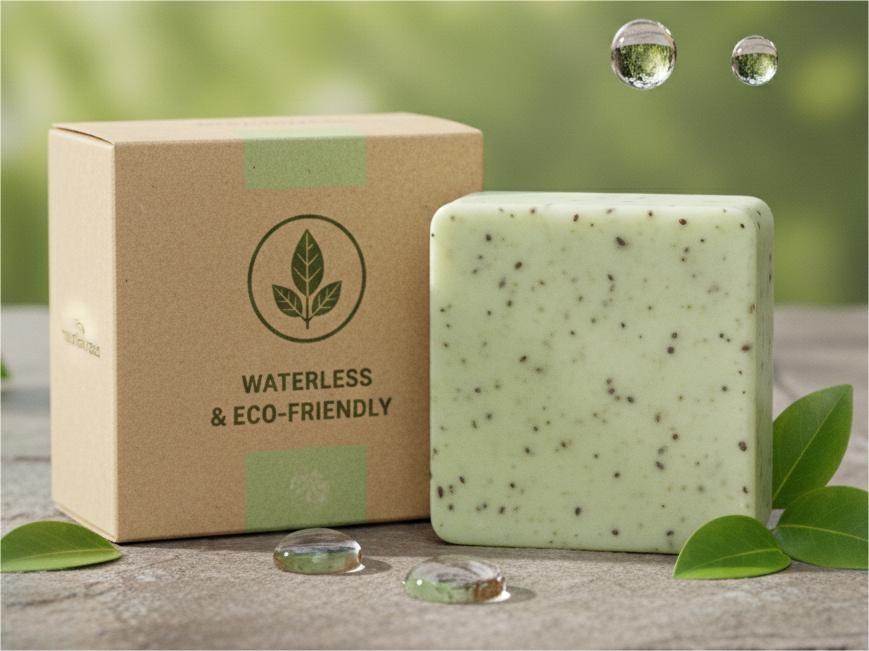
Waterless formulas offer several benefits over traditional water-based creams and lotions:
High Potency & Concentration: 78% higher active ingredient retention compared to water-based alternatives (Dermatology Research Institute, 2023). With no water to dilute them, these products pack more active ingredients into every use.
Eco-Friendly & Sustainable: Reducing water consumption in production by 94%. Waterless products require far less water in manufacturing (an 8 oz water-based lotion can use over 50 gallons of water to produce) and often come in smaller or zero-waste packaging.
Longer Shelf Life: 68% longer product lifespan. Without water, there is minimal risk of microbial growth. That means many waterless products can be preservative-free or use very mild preservatives.
Reduced Irritants: By cutting out harsh surfactants and biocidal preservatives (like parabens and phenoxyethanol), these formulas are often gentler on sensitive skin and help maintain the skin’s natural barrier.
Unique Textures & Experience: Waterless cosmetics have indulgent textures – think rich balms, whipped body butters, and luxurious oils – offering a "premium" skincare experience.
Waterless formulations come in diverse formats. Some popular product types include:
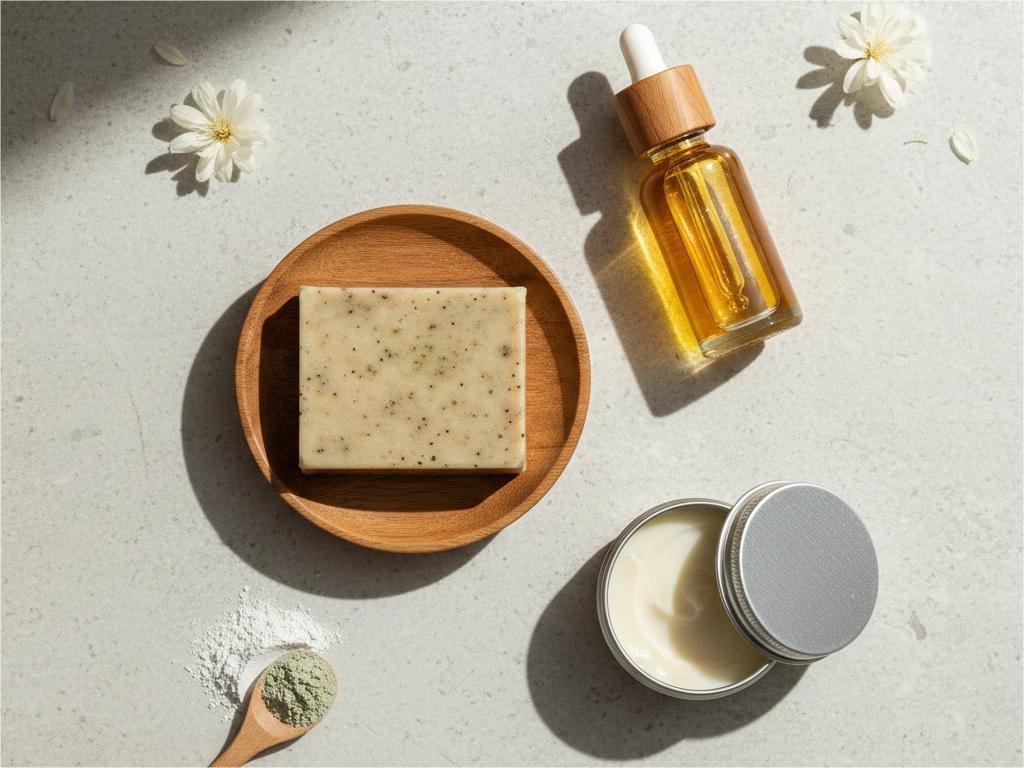
Solid Cleansers and Soaps: Bar soaps or cleansing bars replace liquid es and face washes. They last a long time and are ideal for travel and minimalists.
Oil s and Facial Oils: Glass bottles with oil-based serums deliver vitamins and antioxidants via carrier oils like jojoba or squalane. Without water, the actives are at full strength in each drop.
Creams, Balms, and Butters: Rich moisturizers made with shea butter, cocoa butter, and plant oils. Because they’re occlusive, they lock in moisture very effectively.
Powders and s: Products like clay masks or enzyme scrubs that arrive as dry powder. This “activate-it-yourself” style is truly waterless in manufacturing.
Concentrated Sticks: Sunscreen sticks, tinted balm sticks, or solid deodorants that are compact, mess-free, and travel-friendly.
Since water is removed, the ingredient list of waterless products reads like a pantry of oils, butters, waxes, and plant extracts:
Carrier Oils: Jojoba, almond, coconut, argan oil, and squalane often form the bulk of balms or serums.
Butters: Shea butter, cocoa butter, and mango butter provide structure and nourishing fatty acids.
Waxes: Beeswax, candelilla wax, and carnauba wax help solidify bars and seal in moisture.
Plant Extracts & Hydrosols: Floral or fruit "waters" (by-products of essential oil distillation) can hydrate and scent a product without plain tap water.
Clays & Powders: Bentonite clay, charcoal, or matcha powder are used for absorption and gentle exfoliation.
Switching to waterless skincare can greatly reduce the environmental footprint of one’s beauty routine. Producing waterless products uses far less water: billions of liters are saved when brands formulate without it. A single water-based lotion may require over 50 gallons to make, whereas a waterless balm or solid face wash uses almost none.
Packaging waste is also cut down. Waterless formulas are often sold as bars, jars, or concentrated powders that can be shipped more efficiently. Lighter, smaller packages mean reduced greenhouse gas emissions during transport. Overall, waterless skincare helps preserve freshwater supplies and lower the beauty industry’s carbon footprint.
Waterless beauty is also a key pillar of the broader Clean Beauty movement. Learn more about sustainable practices in our guide to Clean Beauty Manufacturing.
Waterless beauty isn’t only for eco-warriors – it can suit a range of people:
Eco-conscious consumers: Anyone concerned about sustainability or living plastic-free.
Travelers: Solid bars and sticks are TSA-friendly, leak-proof, and space-saving.
Sensitive skin types: Those who react to preservatives or emulsifiers often find relief with anhydrous formulas.
Dry or mature skin: Thick oils and butters provide excellent barrier protection.
As waterless skincare grows, some misconceptions circulate. Here are a few myths dispelled:
Myth: “Waterless means your skin won’t get hydrated.”
Fact: Skin hydration isn’t only about water content in the product. Ingredients like oils and beeswax pull moisture from deeper layers and seal it in.
Myth: “Waterless products will clog pores.”
Fact: Quality formulations use non-comedogenic oils (like grapeseed or hempseed). Without heavy emulsifiers, they often feel silky, not greasy.
Myth: “No preservatives means easy spoilage.”
Fact: Without water, microbial growth is extremely unlikely, giving these products inherently longer shelf lives.
Waterless skincare is expected to keep growing as part of the sustainable beauty revolution. Industry analysts predict the market will expand rapidly, driven by consumer demand for green solutions. On the formulation side, brands continue to innovate with new powdered cleansers and AI-personalized blends.
Waterless skincare is poised to move from niche to mainstream. Its combination of performance and eco-credentials fits perfectly with future beauty trends.
A: Waterless cleansers, such as solid bars or powders, are activated by the water already in your routine. Simply wet your hands and rub the bar to create a lather, or pour the powder into your wet palm, then apply to your face as usual.
A: Look for oil-soluble actives like Vitamin E oil, Bakuchiol (a plant-based retinol alternative), and stable forms of Vitamin C. These ingredients are naturally enhanced and protected when formulated into an anhydrous oil base.
A: Yes. For oily skin, choose formulations based on non-comedogenic carrier oils (such as Hempseed or Jojoba) and use them sparingly to help balance the skin's natural oil production.
A: At DEVA International, we integrate sustainability into our supply chain. We offer various packaging solutions for our anhydrous products, including zero-plastic aluminum tins, recyclable glass jars, and compostable paper/cardboard for solid bars, aligning with global resource efficiency mandates.
Ready to launch your own waterless skincare line? Contact DEVA International today to explore our custom anhydrous formulas and eco-friendly manufacturing solutions.


